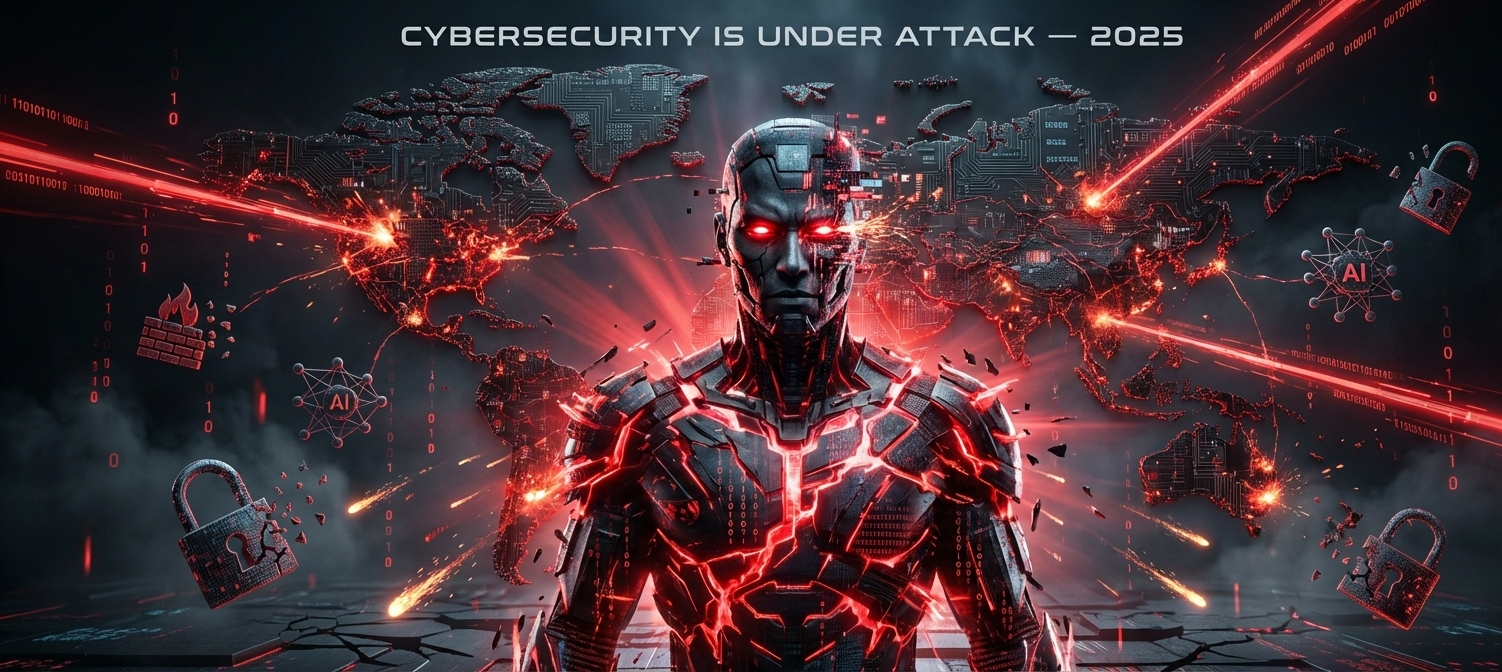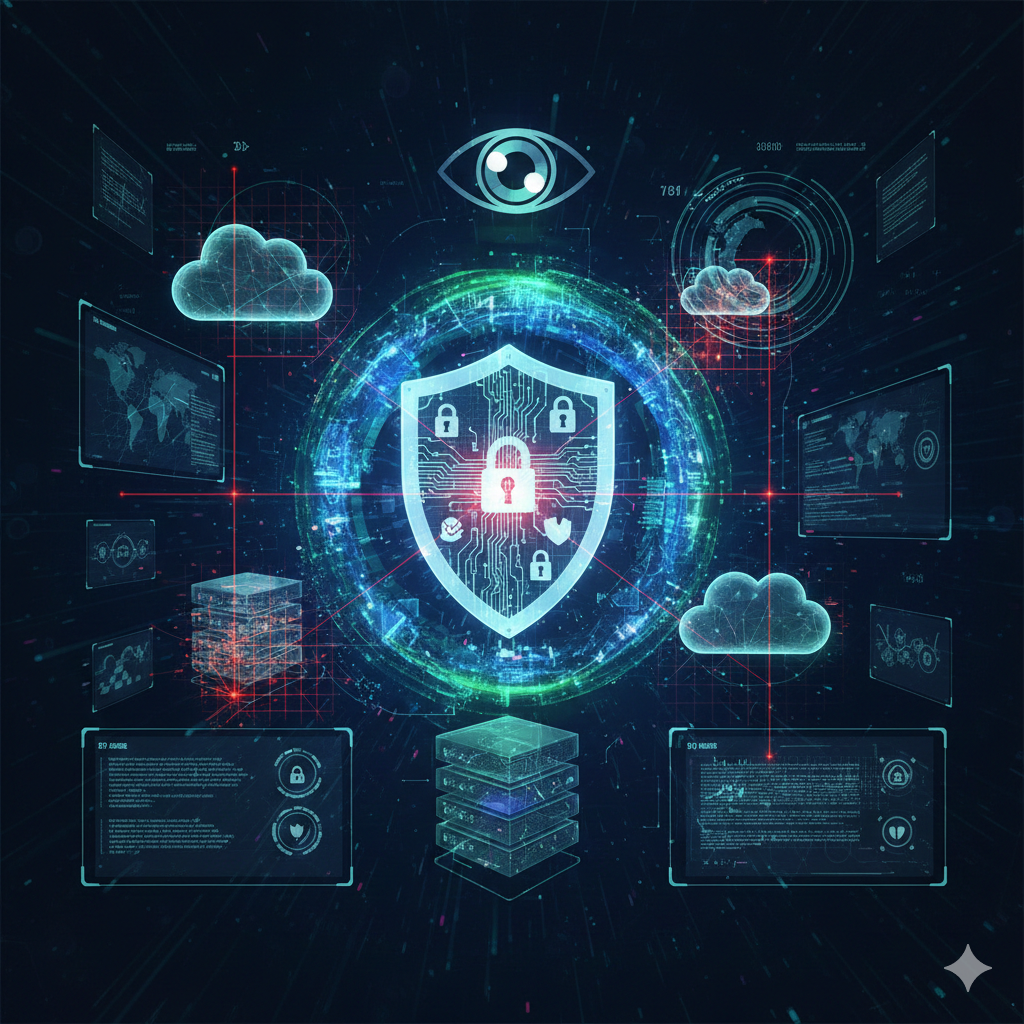
Cyber threats are increasing in volume, speed, and complexity across the globe. From ransomware-as-a-service to AI-generated phishing attacks, traditional security models are no longer enough. This is why cybersecurity with AI has become a critical focus for enterprises, governments, and technology leaders worldwide.
Artificial Intelligence is now at the core of how modern cybersecurity systems detect, prevent, and respond to cyberattacks in real time.
What Is Cybersecurity with AI?
Cybersecurity with AI refers to the use of artificial intelligence and machine learning to automatically identify cyber threats, analyze attack patterns, and respond faster than human-led systems.
According to IBM Security, AI-driven security platforms significantly reduce the time required to detect and contain breaches, improving overall cyber resilience.
IBM Security – AI
https://www.ibm.com/security/artificial-intelligence
Why AI Is Essential for Modern Cybersecurity
Growing Complexity of Cyber Threats
Cybercriminals now use automation, AI bots, and deepfake technology to bypass traditional defenses. A global cybersecurity report by the World Economic Forum highlights cyber risks as one of the top global threats in the digital economy.
World Economic Forum
https://www.weforum.org/topics/cybersecurity/
Faster Detection and Response
AI systems analyze millions of events per second, something humans cannot do efficiently. Microsoft Security reports that AI-powered monitoring helps identify suspicious behavior before damage occurs.
Microsoft Security Blog
https://www.microsoft.com/security/blog/
How AI Is Used in Cybersecurity Today
AI-Based Threat Detection
Machine learning models continuously analyze network traffic, user behavior, and system logs to detect anomalies. This approach is widely used in enterprise security solutions offered by companies like Microsoft and IBM.
Automated Incident Response
AI-driven systems can automatically block malicious IPs, isolate infected systems, and trigger alerts without manual intervention.
Key Benefits AI
- Real-time threat detection
- Reduced false positives
- Faster breach response
- Scalability across cloud and hybrid systems
According to Gartner, AI-enabled security operations are becoming a standard requirement for large organizations worldwide.
Gartner Insights
https://www.gartner.com/en/cybersecurity
Challenges and Risks of AI
Despite its advantages, cybersecurity with AI faces challenges:
- High implementation costs
- Requirement for high-quality training data
- Risk of adversarial AI attacks
- Global shortage of skilled AI professionals
This skills gap is pushing demand for structured cyber training programs.
Why Cybersecurity with AI Is a High-Growth Career
As per industry trends, organizations now seek professionals skilled in:
- AI-driven threat intelligence
- Security automation
- Ethical hacking with AI tools
- Cloud and AI security frameworks
Training institutes like Transition Software Institute focus on industry-aligned education, combining AI concepts with real-world project experience.
https://transition.co.in/
Global Adoption of AI in Cybersecurity
AI-powered solutions are now used in:
- Banking and financial services (fraud detection)
- Healthcare (patient data protection)
- Cloud platforms (zero-trust security models)
- Government cyber defense systems
Reports from ENISA confirm increased AI adoption in frameworks.
ENISA Reports
https://www.enisa.europa.eu/
FAQs (People Also Ask)
What is AI in cybersecurity?
AI uses machine learning and automation to detect, analyze, and respond to cyber threats faster than traditional methods.
Is AI replacing professionals?
No. AI enhances security teams by automating repetitive tasks, but skilled professionals remain essential.
Is cybersecurity with AI a good career?
Yes. It is among the fastest-growing technology careers globally, with strong demand and competitive salaries.
Do beginners need AI knowledge?
Basic AI knowledge is increasingly important, especially for future-focused roles.
Conclusion: Is AI the Future?
AI is no longer optional — it is a necessity. As cyber threats grow smarter, only AI-powered defenses can keep pace. Organizations and professionals who invest early in AI-driven security will lead the next phase of digital security.
Call to Action
Want to build a future-ready career with AI?
Learn from industry experts, work on real-world projects, and gain job-ready skills at Transition Software Institute.
Visit: https://transition.co.in/